
Late updated: 29 Dec 2025 08:12
Written by: Ella Thompson
Exploring The Impact Of Nature On Mental Wellbeing: Benefits And Insights
Connecting with nature has long been a cornerstone of improving mental health, a claim supported both by age-old wisdom and modern science. In our fast-paced, technology-driven lives, the quiet embrace of the natural world offers a powerful antidote to stress and mental fatigue. Nature's ability to reduce stress, lift mood, and improve cognitive function makes it an essential component of our mental health toolkit.
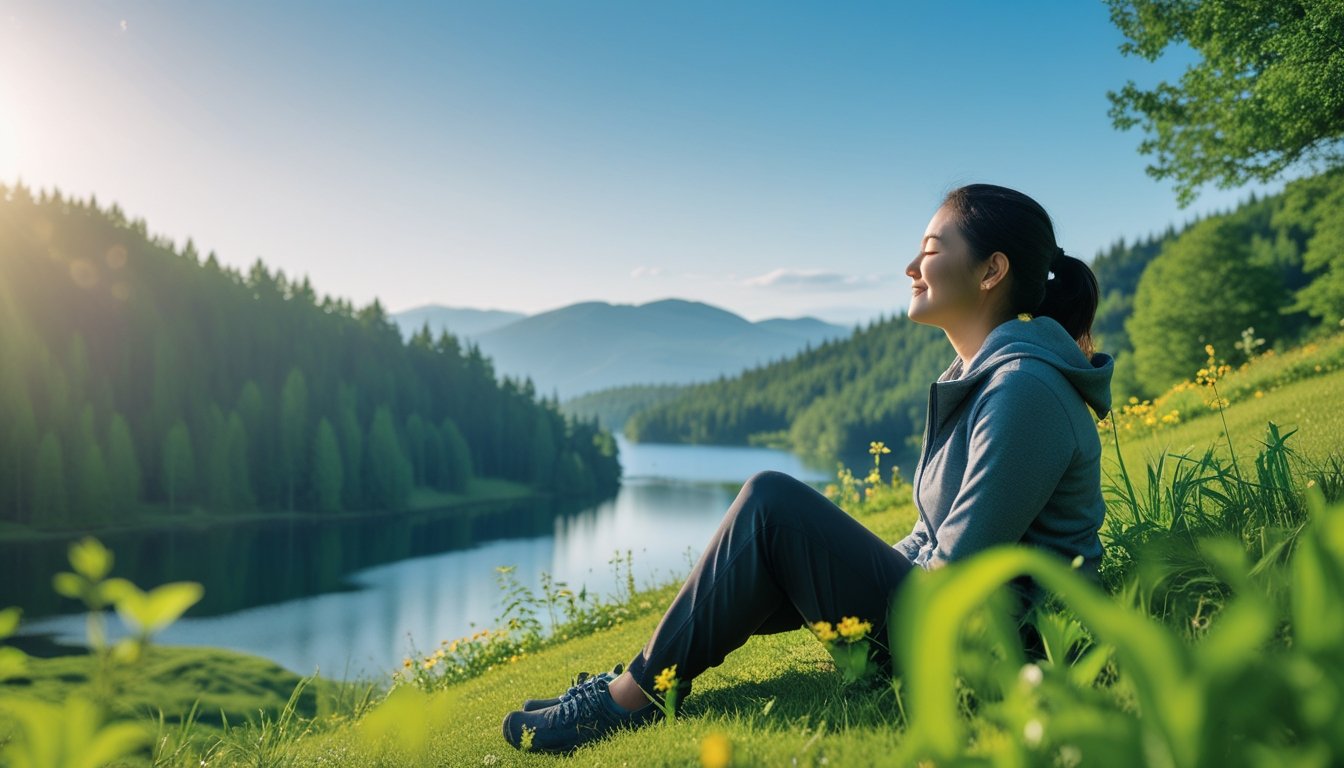
As urbanisation continues to distance many from green spaces, we must seek ways to reintegrate nature into our routines. From simple activities like walking in a park to engaging in nature-based therapies, the benefits are profound. The positive impacts aren't reserved for those in idyllic settings; even small doses of nature can lead to significant improvements in well-being.
Through exploring scientific findings and sharing practical approaches, we aim to present how everyday interactions with nature can become powerful tools for enhancing our mental health. Let's journey together to understand how nature's simple yet profound influence can transform our mental landscapes.
Key Takeaways
- Exposure to nature noticeably enhances mental well-being.
- Simple nature-based activities can be highly beneficial.
- Integrating nature into daily life supports mental health.
Core Benefits Of Nature For Mental Wellbeing
Nature offers profound benefits for our mental health by reducing stress, improving mood, and fostering emotional resilience. Scientific research supports these advantages, highlighting nature's capacity to enhance cognitive function and psychological well-being. Let us explore these core benefits in depth.
Scientific Evidence On Psychological Benefits
Numerous studies have shown that spending time in nature can significantly boost mental health. The attention restoration theory suggests that nature provides a calming environment that allows our overwhelmed minds to recover. By immersing ourselves in natural landscapes, we escape the constant stimuli of urban settings, enabling our cognitive resources to replenish.
Moreover, the biophilia hypothesis proposes an inherent connection humans have with nature due to evolutionary factors. This innate affinity fosters feelings of well-being and contentment when we're surrounded by nature, contributing to mental wellness. These scientific frameworks highlight the essential role nature plays in enhancing psychological health.
Key Effects On Stress, Mood, And Cognition
Nature encounters have a profound impact on stress reduction. Engaging with green spaces, whether through a forest walk or a visit to a park, helps lower cortisol levels, which are often associated with stress. This reduction in stress hormones not only calms the mind but also improves mood.
Beyond stress relief, frequent nature exposure boosts mood by promoting the production of hormones like serotonin and dopamine, which lead to elevated feelings of happiness. Furthermore, spending time outdoors improves cognitive function by enhancing attention, memory, and creativity. These cognitive benefits are crucial for both our personal and professional lives.
Natural Environments And Emotional Resilience
Emotional resilience is another key benefit derived from regular interactions with nature. Being in natural settings encourages mindfulness and self-reflection, fostering a better understanding of ourselves and our emotions. This reflective state contributes to stronger emotional stability.
In addition, nature supports social interactions and a sense of community, which play vital roles in building emotional resilience. Activities like community gardening or participating in outdoor group exercises promote cooperation and social bonding. By integrating nature into our routines, we build robust emotional foundations that help navigate life's challenges.
Nature-Based Interventions And Practical Approaches

Nature-based interventions offer diverse techniques designed to improve mental wellbeing. These approaches harness the healing power of nature to address mental health challenges. They incorporate evidence-based practices that connect individuals with natural environments, promoting both physical and psychological health gains.
Forest Bathing And Shinrin-Yoku
Forest bathing, or Shinrin-Yoku, involves immersing oneself in the forest environment to enhance mental and physical health. Originating in Japan, this practice encourages mindful engagement with the senses. We focus on breathing in phytoncides—emitted by trees—which are thought to reduce stress levels and boost immune function. The practice doesn’t involve physical exercise but rather a serene communion with nature, facilitating a calming effect and promoting relaxation. The Japanese Ministry of Agriculture supports Shinrin-Yoku as a preventive health measure, reinforcing its therapeutic value with scientific research. This practice provides a structured yet fluid way to reconnect with the natural world, often resulting in reduced anxiety and improved mood.
Nature Walks And Outdoor Activities
Engaging in nature walks and outdoor activities promotes physical exercise and mental rejuvenation. Urban green spaces, blue spaces, and green corridors serve as accessible locations where we can enjoy such activities. These activities range from simple walks to more organised group adventures. Besides physical health benefits like improved cardiovascular fitness, these activities also contribute to cognitive improvements and emotional stability. They offer an opportunity to interact socially, further enhancing our mental wellbeing. Access to urban green spaces is crucial, as it ensures everyone can benefit from contact with nature regardless of their geographic location. Nature walks allow participants to re-establish their connection to the natural environment, fostering a sense of community and belonging.
Therapeutic Practices Involving Nature
Therapeutic practices that incorporate nature are varied and include methods such as ecotherapy, horticultural therapy, and wilderness therapy. These approaches use nature as a therapeutic backdrop, aiming to address specific mental health concerns. Ecotherapy often involves structured programmes that engage individuals with the environment, promoting healing and behavioural change. Horticultural therapy uses gardening activities to improve mental health, offering sensory stimulation and setting achievable goals. Wilderness therapy immerses participants in remote natural settings, providing challenges that build resilience and self-esteem. Meanwhile, animal-assisted therapy introduces animals into sessions, leveraging the calming effects they have on humans. Each of these practices utilises the restorative potential of nature, offering complementary support to traditional mental health interventions.
Frequently Asked Questions

We're exploring the multifaceted impact of nature on our mental wellbeing, from the influence of green spaces to the role of biodiversity in enhancing emotional health. The psychological benefits of interacting with natural environments and the specific effects of urban greenery on stress and mood are also taken into account.
How does exposure to green spaces influence mental health?
Exposure to green spaces has been shown to reduce stress and improve mood. This proximity to nature can enhance cognitive function and increase overall feelings of happiness. Regular encounters with green environments promote relaxation, which may contribute to lowered anxiety levels.
Can nature activities improve symptoms of anxiety and depression?
Engaging in activities such as walking, gardening, or simply spending time outdoors has been associated with reduced symptoms of anxiety and depression. These activities encourage physical exercise and social interaction, both of which are beneficial for improving mental health and alleviating negative emotional states.
What is the role of biodiversity in enhancing emotional wellbeing?
Biodiversity within natural environments can increase our sense of connection with the world. Diverse ecosystems offer more opportunities for engaging experiences and can promote greater appreciation of nature. This connection is linked to improved emotional wellbeing and reduced feelings of isolation.
To what extent does urban greenery affect stress levels and mood?
Urban greenery, including parks and street trees, can significantly mitigate stress and improve mood. Even small green areas have the potential to offer a psychological escape, reducing the impact of urban stressors. The presence of natural elements within city environments contributes to increased life satisfaction.
What are the psychological benefits of interacting with natural environments?
Interacting with natural environments leads to improved attention, stress relief, and enhanced mental clarity. Being in nature can foster a sense of peace and grounding, helping individuals to process emotions better. This interaction is fundamental in sustaining mental health over time.
How does the quality of a natural setting impact its effectiveness for mental rejuvenation?
The quality of a natural setting influences its restorative potential. Settings that are rich in sensory experiences, like diverse plant life and serene landscapes, often offer greater mental rejuvenation. The presence of clean air and a tranquil atmosphere further enhances the therapeutic effects of nature.