
Late updated: 24 Dec 2025 09:12
Written by: Ella Thompson
Exploring Nature's Role in Mental Health Journeys: A Path to Well-being
Nature has long been a source of fascination and solace for many of us, offering a reprieve from the stresses of everyday life. Engaging with natural environments provides a tranquil space that can enhance mental resilience and improve overall well-being. Research consistently demonstrates that spending time in nature can significantly reduce stress and anxiety, making it a powerful ally in mental health journeys.
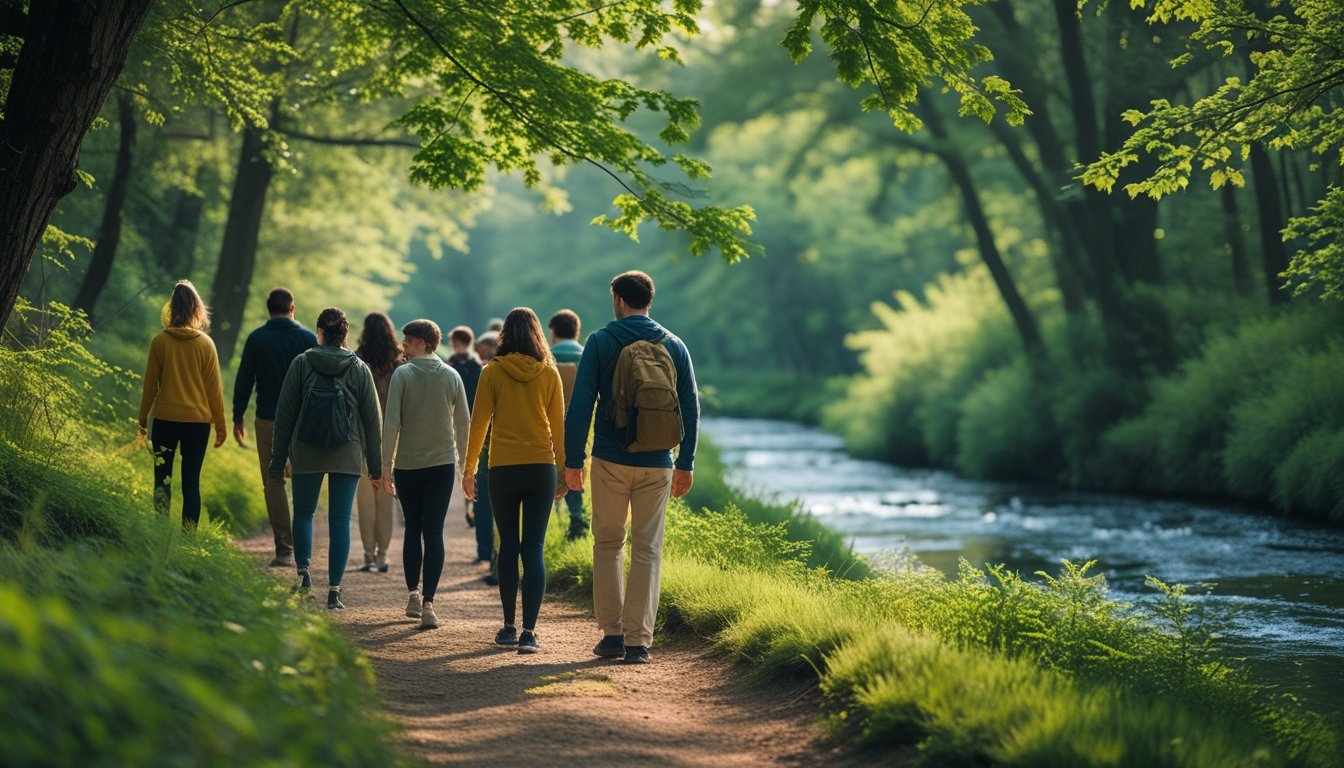
Our surroundings play a pivotal role in shaping our mental states. By stepping outdoors, we can access the therapeutic benefits of fresh air and green spaces, contributing to a sense of calm and improved mood. This exposure interacts with our brain's functioning, promoting a balance that traditional settings often fail to provide.
With an increasing body of evidence supporting nature-based interventions such as green therapy and nature prescriptions, it's clear that connecting with the environment enriches our mental health strategies. The integration of natural elements into mental wellness practices offers a holistic approach that complements conventional treatments, fostering a resilient mindset while encouraging emotional healing.
Key Takeaways
- Nature influences our mental health positively by reducing stress and anxiety.
- Integrating nature-based therapies can complement traditional mental health treatments.
- Engaging with natural environments offers practical mental health benefits.
How Nature Influences Mental Health Journeys
Nature impacts mental health through various mechanisms that enhance mood and reduce stress. Our exploration covers the scientific backing for nature's benefits, including emotional regulation and cognitive restoration.
Key Mechanisms Linking Nature and Psychological Well-Being
Different natural elements impact psychological well-being. The biophilia hypothesis suggests an innate human affinity for nature, explaining why we feel drawn to natural environments. Furthermore, nature induces soft fascination, a mental state that gently engages our attention, allowing for cognitive function restoration. This is supported by the attention restoration theory, which posits that nature helps rejuvenate depleted mental resources.
Endorphins and serotonin levels can be influenced by engaging with nature, potentially elevating our mood and fostering a sense of connectedness. When immersed in a natural environment, our mood improves due to these hormonal changes, underpinning the impact of ecotherapy on our mental well-being.
Scientific Evidence for Mental Health Benefits of Nature Exposure
Research indicates multiple mental health benefits linked to exposure to nature. Randomised controlled trials and longitudinal studies provide compelling evidence of nature's restorative effects. We observe improvements in mood and emotional stability, a decrease in symptoms of anxiety and depression, and enhanced cognitive restoration.
Furthermore, during periods of involuntary nature deprivation, such as the COVID-19 lockdowns, the absence of natural stimuli was noted to exacerbate mental ill health. Such findings highlight nature’s invaluable role in promoting psychological benefits, reinforcing the importance of integrating natural spaces into daily routines to support mental well-being.
Stress Relief and Emotional Regulation in Natural Environments
Nature offers a unique setting conducive to stress reduction and emotional regulation. As we interact with green spaces, the calming attributes of natural environments can lower cortisol levels, a critical marker of stress. Both active and passive engagements with nature contribute significantly to decreasing stress levels and promoting relaxation.
The sights, sounds, and scents found in natural surroundings provide an immersive experience that supports emotional balance. This environment encourages introspection and mindfulness, further enhancing our capacity for emotional regulation. These effects, in turn, contribute positively to our broader mental health journeys, providing a sustainable method to cope with life’s challenges.
Nature-Based Therapeutic Approaches and Real-World Applications
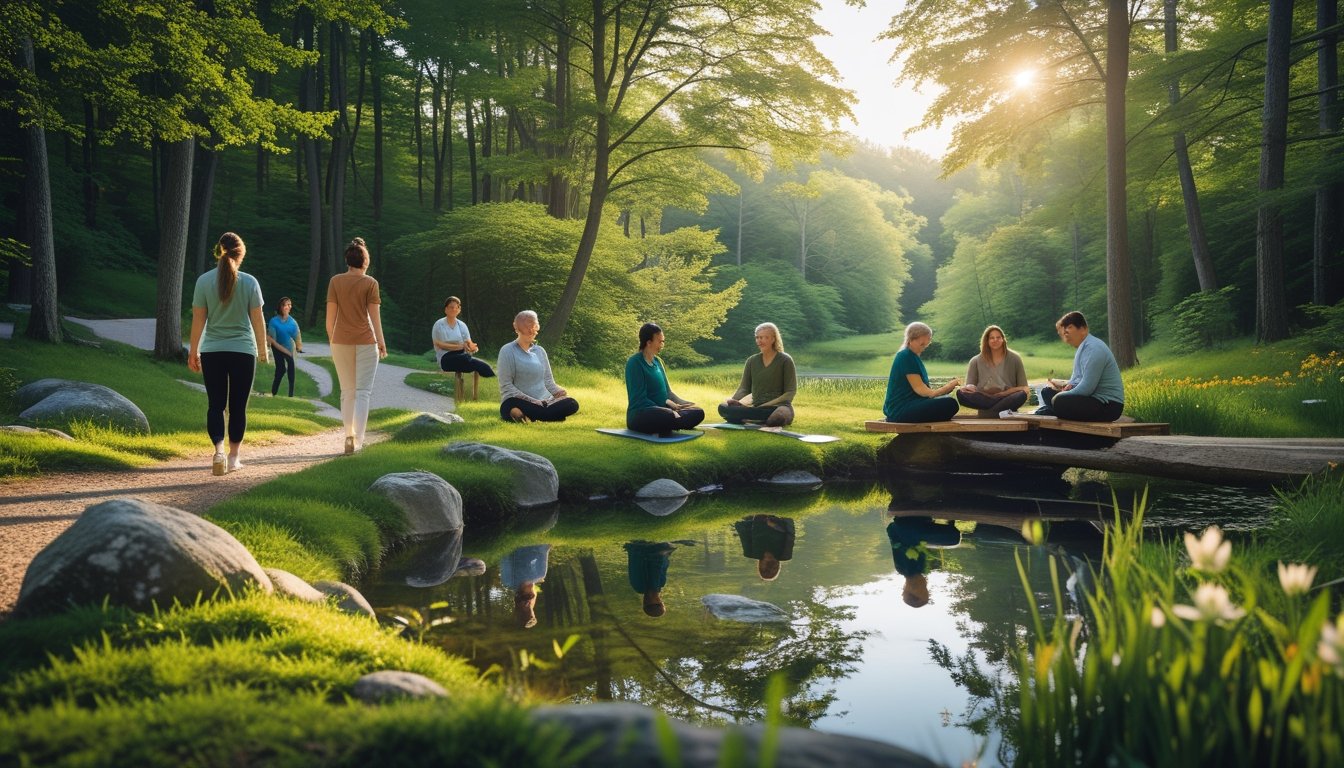
Exploring nature's influence on mental health involves diverse therapeutic approaches with practical applications. These applications harness the natural environment to support mental and emotional wellbeing and may include interventions tailored to different settings and population needs.
Nature-Based Interventions in Therapy and Recovery
Nature-based therapies encompass a range of approaches that integrate outdoor settings into therapeutic practices. These include forest bathing or shinrin-yoku, where individuals immerse themselves in nature to enhance emotional resilience and psychological well-being. Wilderness therapy and horticultural therapy offer structured programmes using elements like gardening and nature walks. Such interventions frequently aim to address mental health disorders, including depression and post-traumatic stress disorder (PTSD), by fostering a connection to nature and promoting emotional stability. Outdoor activities such as walking in green spaces or community gardens are known to improve cognitive flexibility and attention span, contributing to overall mental health recovery.
Benefits of Green and Blue Spaces in Urban and Rural Settings
The presence of green and blue spaces, such as urban parks, rivers, and oceans, plays a vital role in enhancing mental health. Urban environments often lack these areas, yet they are crucial for offering fresh air, opportunities for physical activity, and spaces for social interaction. Green spaces provide a sanctuary away from the urban hustle, facilitating therapeutic interventions and grounding individuals in a calming atmosphere. Blue spaces, like lakes and beaches, contribute to emotional health by offering natural light and soothing nature sounds. Access to these spaces can increase creativity and support mental wellbeing, promoting positive mental health outcomes for residents in both urban and rural settings.
Barriers and Health Equity in Access to Therapeutic Nature
Despite the benefits, not everyone has equal access to nature-based therapies. Barriers such as socio-economic status, location, and climate change impact accessibility, highlighting the importance of health equity in therapeutic interventions. City parks and community gardens may be limited or inequitably distributed, affecting those in densely populated or underprivileged areas. Healthcare providers face challenges in integrating nature with conventional medical treatments due to these disparities. Addressing these barriers requires efforts from policymakers and communities to ensure everyone can benefit from nature's healing effects, enabling broader societal inclusion in nature-based interventions for mental health.
Frequently Asked Questions
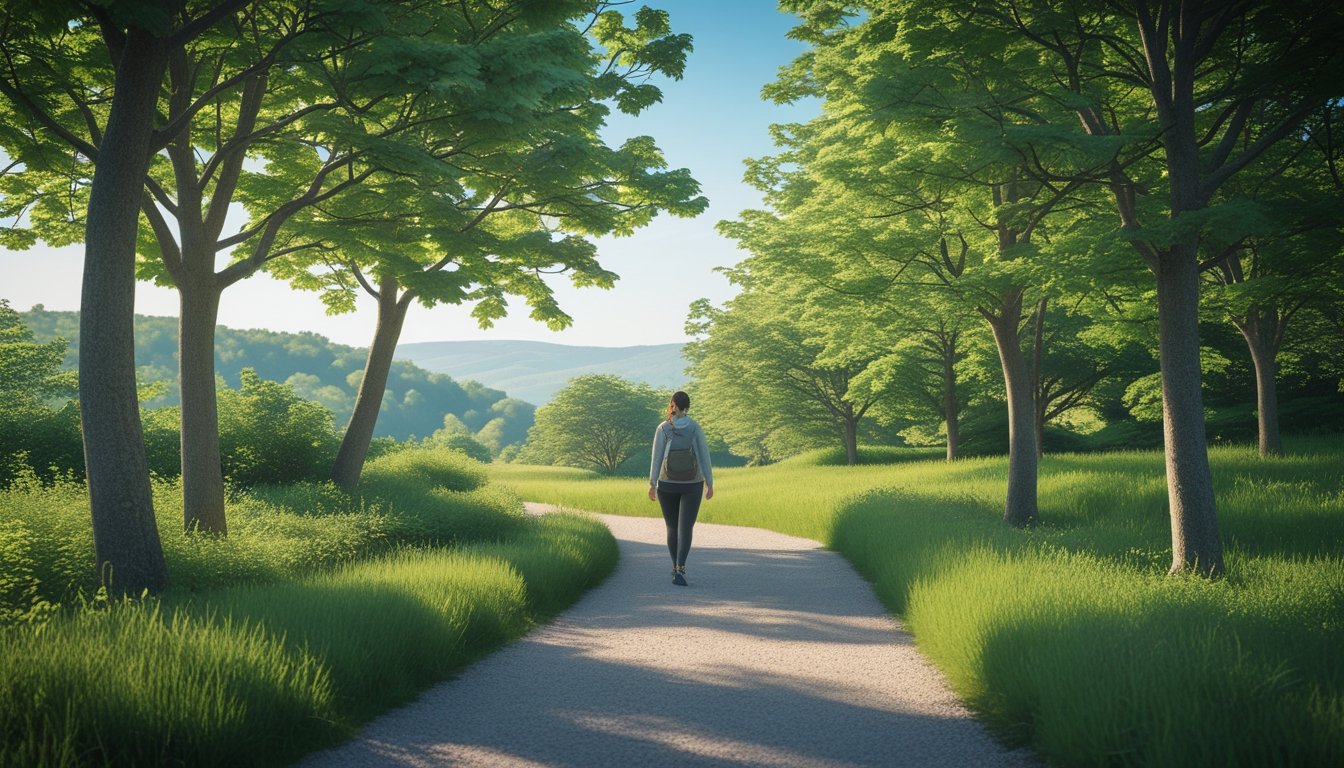
Interaction with the natural world has become an important focus in mental health research and practice. In this section, we examine the specific influences of natural environments on mental well-being and consider how they can be integrated into treatment strategies.
How does interaction with natural environments influence mental well-being?
Our mental well-being is greatly influenced by our surroundings. Engaging with nature can elevate mood, improve focus, and provide a needed sense of calm. This connection helps us recalibrate emotionally and psychologically.
What are the psychological benefits of spending time in green spaces?
Spending time in green spaces offers several psychological benefits, including enhanced mood and reduced symptoms of anxiety and depression. Being around trees, plants, and other natural elements allows for mental restoration and stress relief.
Can nature therapy be integrated into traditional mental health treatment plans?
Yes, nature therapy can supplement traditional treatments. Techniques such as green exposure therapy and nature prescriptions can work alongside conventional methods to enhance outcomes for individuals with various mental health conditions.
What is the evidence supporting nature's impact on reducing stress and anxiety levels?
Research shows substantial evidence that time spent in nature lowers stress hormones and alleviates symptoms of anxiety. Natural environments promote relaxation and can help redirect focus away from stressors.
How do different natural settings compare in their effects on mood and emotional health?
Different settings have distinct impacts on mood and emotional health. Coastal areas and forests might promote relaxation, while urban parks can offer tranquillity amidst city life. Each setting interacts with our senses in unique ways.
What role does biodiversity play in enhancing the therapeutic effects of natural environments?
Biodiversity enhances the therapeutic benefits of nature by supporting a diverse ecosystem that stimulates the senses. Experiencing varied plant and animal life can enrich our interactions with nature, making the experience more profound and healing.