
Late updated: 25 Dec 2025 09:12
Written by: Ella Thompson
Nature-Based Stress Management Techniques: Effective Practices for Wellbeing
In our fast-paced world, stress has become a common challenge, affecting both mental and physical well-being. Finding effective ways to manage stress is crucial, and nature-based techniques offer a compelling solution. Spending time in nature can significantly reduce stress levels by promoting relaxation and enhancing mood. Whether it's a walk in the park or time spent gardening, the natural environment has a unique ability to calm the mind and soothe the senses.
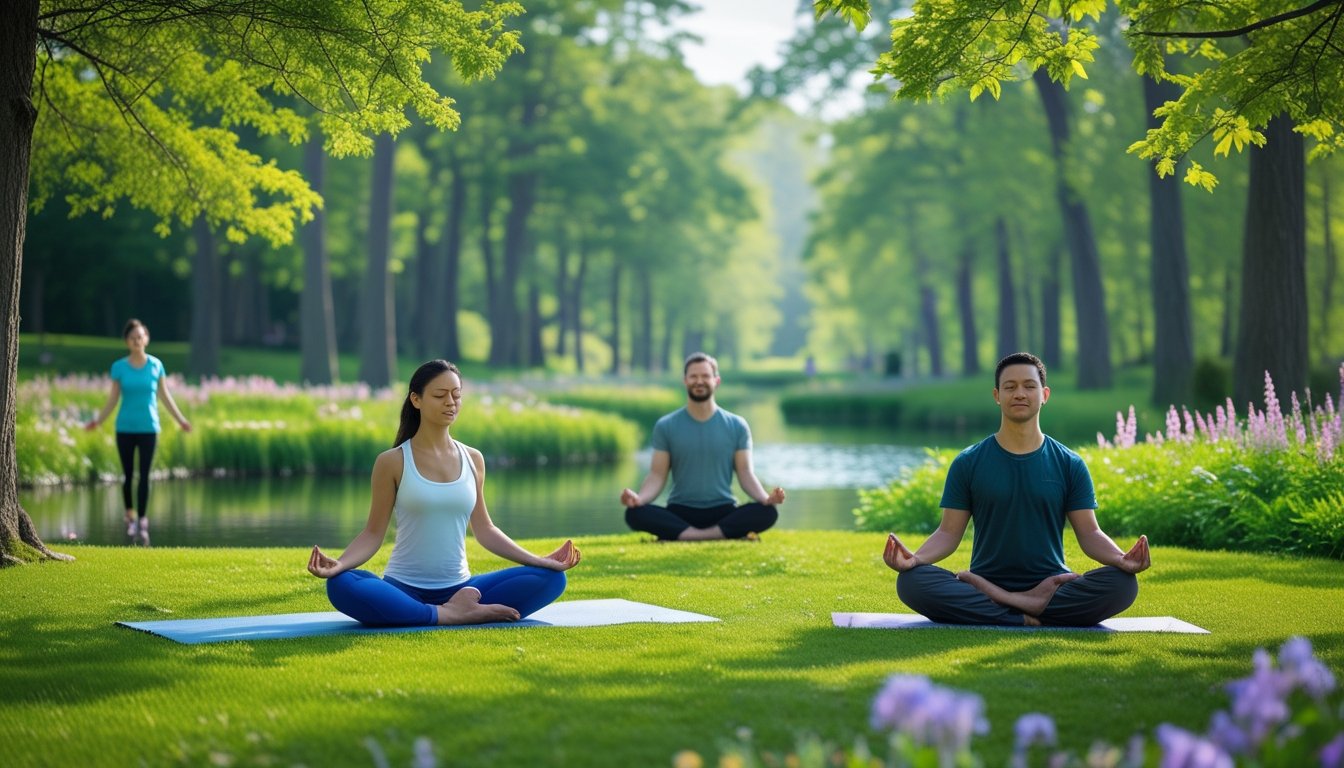
By integrating nature-based methods into our daily routines, we can find a more balanced and peaceful approach to life. Practices such as forest bathing, ecotherapy, and even brief moments of mindfulness outdoors can improve our emotional health. These techniques not only offer a serene escape from the pressures of modern living but also forge a deeper connection with the natural world.
Let's explore how we can make simple yet effective changes to embrace nature as a tool for stress management. By doing so, we can nurture our overall well-being and cultivate a sense of inner peace and happiness.
Key Takeaways
- Nature reduces stress and enhances well-being.
- Incorporate outdoor activities into daily life.
- Nature-based methods foster inner peace.
Key Nature-Based Stress Management Techniques
Incorporating nature-based stress management techniques into our routines can significantly enhance our mental well-being. By immersing ourselves in natural environments, we can effectively harness mindfulness, engage in health-promoting activities, and bolster our resilience against stress-related challenges.
Mindfulness in Natural Settings
Practising mindfulness in natural settings allows us to deepen our connection with the environment while reducing stress. When we focus our attention on the sights, sounds, and sensations of the natural world, it can help lower stress hormones like cortisol. Nature meditation, a form of mindfulness, encourages us to observe our surroundings without judgement. This approach not only aids in relaxation but also improves mental clarity. Activities such as sitting quietly by a pond or watching the leaves sway in the breeze can be incredibly therapeutic. Spending regular time in green spaces has been shown to reduce anxiety and enhance overall mental health. Nature-based mindfulness encourages us to be present, fostering a sense of peace and reducing negative thought patterns that contribute to stress.
Nature-Informed Therapy Approaches
Nature-informed therapy, often termed ecotherapy or nature therapy, leverages the healing properties of the natural world to promote mental health. This method can be integrated with traditional therapeutic techniques, such as cognitive behavioural therapy (CBT), to offer a comprehensive approach to stress relief. In clinical settings, guided nature walks combined with therapeutic dialogue facilitate introspection and healing. Evidence suggests that nature-based interventions can boost mood, decrease blood pressure, and improve immune function. Urban parks and green spaces play a crucial role, offering a respite from daily stressors. By engaging with natural settings, both physically and emotionally, we can experience heightened mental well-being. Nature therapy emphasises our intrinsic connection to the environment, helping us find balance and foster resilience.
Forest Bathing and Shinrin-Yoku
Originating from Japan, Shinrin-Yoku, or forest bathing, involves immersing ourselves in the atmosphere of the forest to promote relaxation and stress relief. This practice is not about exercise but rather about being present in a forest environment and soaking up its tranquillity. Research indicates that forest bathing can significantly lower cortisol levels, reduce heart rate, and decrease blood pressure. The aromatic compounds released by trees, known as phytoncides, have been linked to improved immune function. Engaging with these natural surroundings enhances our parasympathetic nervous system, which is responsible for rest and recovery. By simply walking quietly among the trees and taking in the fresh air, we can experience profound relaxation and rejuvenation. Embracing Shinrin-Yoku allows us to reconnect with nature, fostering a sense of calm and reducing the impact of stress on our bodies.
Walking and Movement in Nature
Walking in nature, often incorporating mindful practices such as yoga or tai chi, provides an opportunity for both physical activity and mental rejuvenation. Unlike urban environments, natural settings offer diverse benefits such as increased exposure to fresh air and green spaces, which are associated with lower levels of stress. Movement in nature, whether through walking, birdwatching, or engaging in aerobic activities like swimming, promotes the release of endorphins, our body’s natural stress relievers. Such activities can be tailored to individual fitness levels, ensuring accessibility for all. Short nature walks or longer hikes serve as effective relaxation techniques, enhancing mental clarity and overall well-being. This combination of movement and nature exposure offers a proven strategy for managing stress, enriching our mental and physical health.
Incorporating Nature-Based Methods into Everyday Life
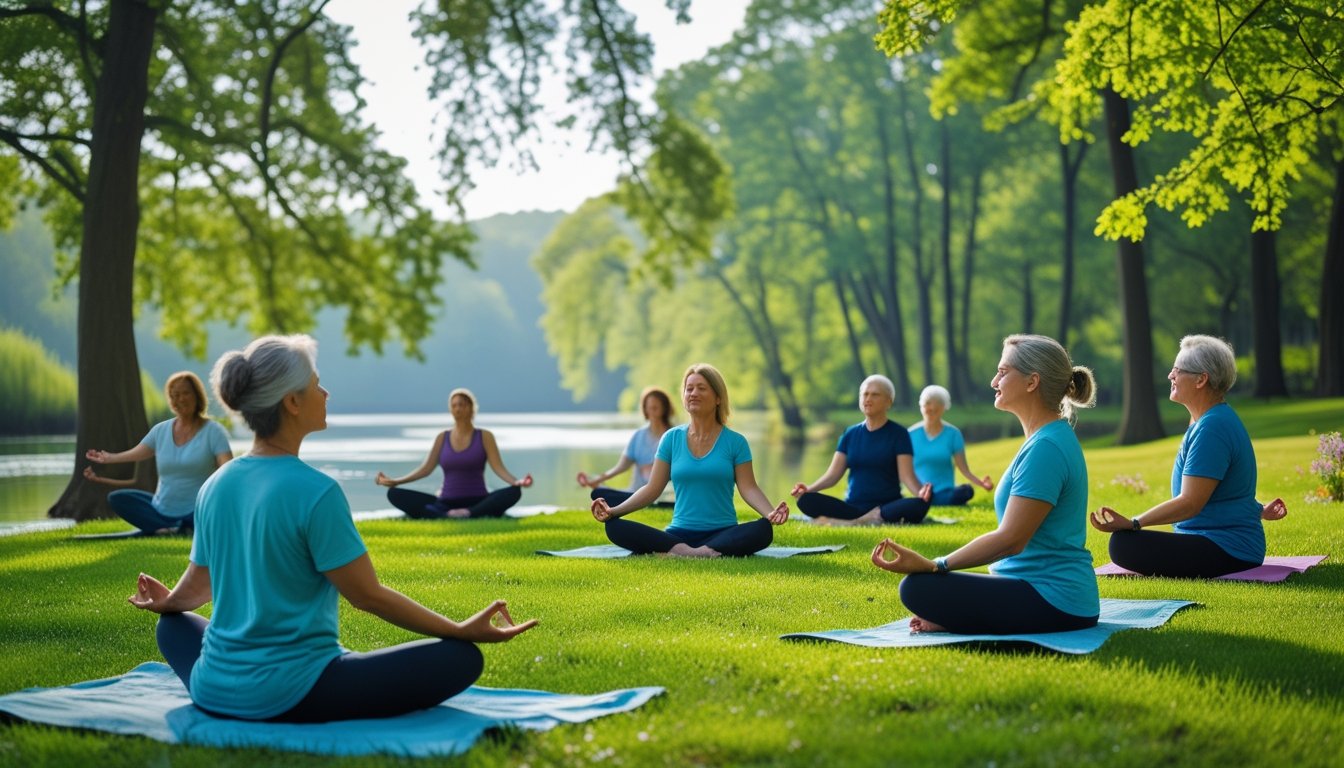
Incorporating nature-based techniques into our daily routine can profoundly impact our mental health, offering stress relief and emotional well-being. By engaging with nature through personalised routines, green spaces, and creative practices, we can foster a stronger connection with the natural world.
Personalising Nature Routines
Customising our nature routines allows us to connect with the environment in a meaningful way. Whether it's a daily walk in a local park or a weekly hike in a nearby reserve, these activities help reduce anxiety and improve mental clarity. By identifying activities that resonate with us, we can ensure consistency and enjoyment. For instance, those with hectic schedules could benefit from short nature breaks at urban parks, providing moments of calm amidst the hustle. Tracking these activities in a journal could also highlight the benefits of nature, such as improved mood and increased immune function. Let’s explore our preferences, be it birdwatching, walking, or simply sitting outdoors, and make nature a regular part of our routine.
Gardening and Urban Green Spaces
Gardening, even in small urban settings, offers a multitude of benefits. It doesn't require a large garden; a balcony or window sill with a few pots can suffice. The tactile experience of working with soil promotes mindfulness and provides a satisfying sense of accomplishment. Urban green spaces, like community gardens or rooftop gardens, also offer opportunities for connection and growth. Participating in these spaces not only enhances our environment but fosters a sense of community and belonging. In cities, where natural landscapes might seem scarce, creative use of urban green spaces can be instrumental in stress relief and promoting mental health.
Relaxation and Creative Practices
Relaxation through creative engagement with nature can be deeply fulfilling. Activities such as forest bathing, art inspired by nature, or simple exercises like tai chi offer relaxation and creativity combined. Spending time in nature not only serves as an antidote to stress but can spark creativity in unexpected ways. These practices invite us to slow down and savour the beauty around us, encouraging presence and mindfulness. Whether we're creating art, practising yoga in a meadow, or simply lying beneath a tree, these moments provide a sanctuary for reflection and rest. By integrating these creative nature practices, we cultivate a deeper appreciation for the natural world's impact on our well-being.
Frequently Asked Questions
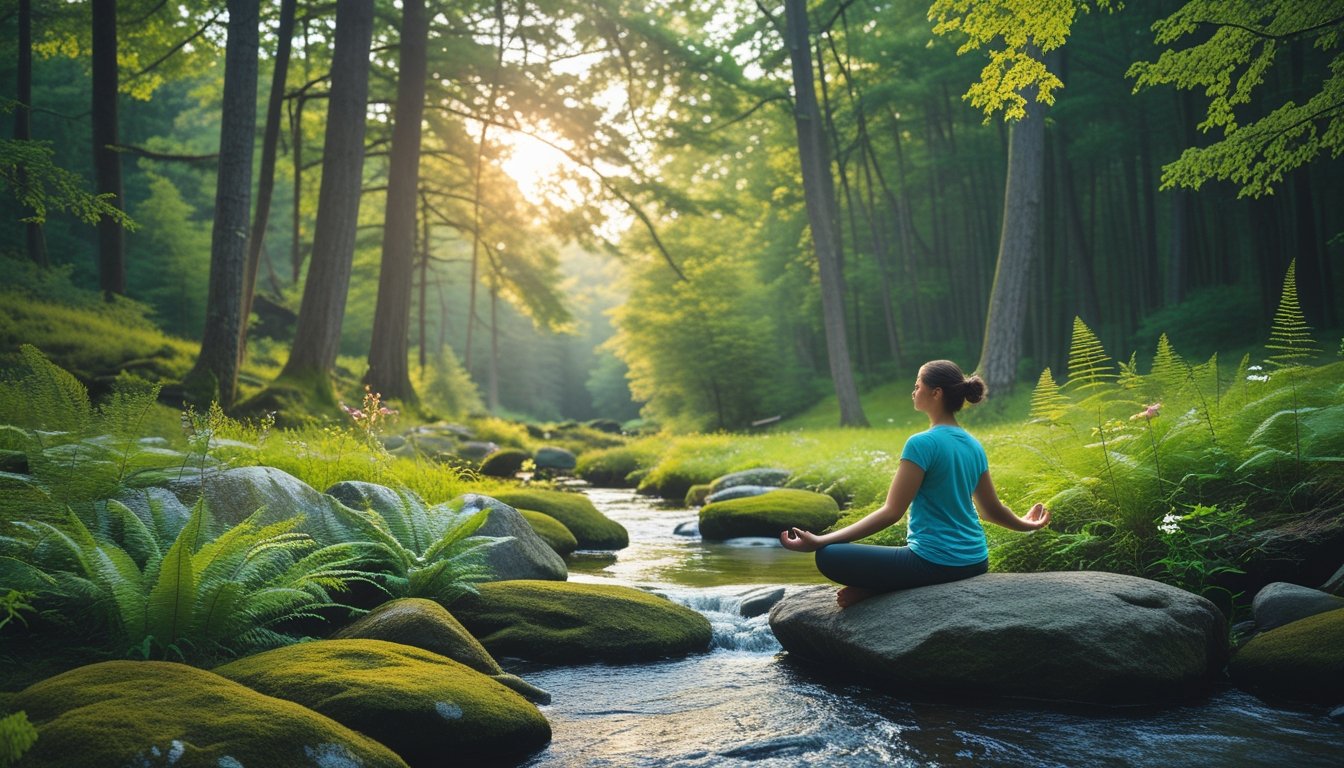
In exploring how nature aids stress management, we find that activities like forest bathing, urban green spaces, and natural sounds play significant roles in promoting mental well-being and relaxation. Each of these elements offers unique ways to help manage stress and anxiety.
What are the most effective outdoor activities for reducing stress?
Spending time immersed in nature by hiking, walking, or simply sitting in a green space can be particularly effective for stress reduction. Activities such as forest bathing, where one absorbs the forest atmosphere, have been shown to lower stress. Engaging in these activities helps us disconnect from daily pressures and reconnect with the environment.
Can regular exposure to natural environments significantly lower cortisol levels?
Yes, spending time in nature has been associated with reduced cortisol levels, which are markers of stress in our bodies. Regular exposure to natural settings can promote relaxation and lower stress-related hormones, leading to overall improved mental and physical health.
How does forest bathing contribute to mental well-being?
Forest bathing, or shinrin-yoku, involves immersing oneself in a forest atmosphere. This practice can enhance mental well-being by promoting relaxation, improving mood, and fostering mindfulness. The sensory experience of the forest environment aids in alleviating stress.
What role do urban green spaces play in managing stress and anxiety?
Urban green spaces, such as parks and gardens, offer an accessible way for city dwellers to engage with nature. These spaces provide a calming environment that can improve mood, reduce anxiety, and enhance mental resilience. Though smaller than expansive natural areas, they still contribute significantly to stress management.
Are there specific natural sounds or scapes that promote relaxation and stress relief?
Natural sounds such as birdsong, rustling leaves, and flowing water are known to have calming effects. These sounds help mask urban noise and can reduce stress by promoting a tranquil state of mind. Listening to nature's soundscapes can be a simple yet effective way to aid relaxation.
How can gardening activities be utilised as a form of stress management?
Gardening offers a tangible way to connect with nature and provides a sense of achievement. The act of nurturing plants can be meditative and rewarding, reducing stress while fostering a sense of purpose and well-being. It's a practical activity that combines physical activity with mental relaxation.