
Late updated: 10 Dec 2025 14:12
Written by: Ella Thompson
Exploring Environmental Therapy Techniques for Wellbeing: Enhancing Mental Health
In our increasingly urbanised world, connecting with nature has become more essential for maintaining mental and physical health. Environmental therapy, often referred to as ecotherapy, is a powerful approach that harnesses the natural environment to improve well-being. By integrating nature-based activities into our lifestyles, we can experience significant reductions in stress and anxiety, and promote holistic healing.

Environmental therapy encompasses a range of practices that facilitate a deeper connection with the natural world. Techniques such as mindful walks, forest bathing, and creative journaling in green spaces not only enhance our emotional resilience but also encourage mindfulness and mental clarity. These activities are particularly beneficial in urban environments, where opportunities for spontaneous nature interactions are limited.
As we explore these innovative approaches, it becomes evident how they contribute to both individual health and broader environmental mindfulness. Embracing these techniques invites a beneficial shift towards sustainable living, enhancing our own lives and fostering a more harmonious relationship with the planet.
Key Takeaways
- Environmental therapy connects us with nature for mental and physical well-being.
- Techniques like forest bathing and mindful walks offer emotional benefits.
- Embracing these practices supports sustainable living and mental clarity.
Core Concepts and Mental Health Benefits of Environmental Therapy
Environmental therapy, often called ecotherapy, leverages nature's healing power to enhance mental health. By integrating elements from our natural surroundings, this approach aims to foster psychological well-being, mitigate symptoms of depression and anxiety, and improve cognitive function. The process centres around our inherent connection with nature and utilises various methods to promote well-being.
Foundations of Environmental Therapy
The foundation of environmental therapy lies in using the natural environment to stimulate mental health benefits. Ecotherapy encourages engaging directly with green spaces, harnessing the therapeutic effects of nature. Activities range from gardening and hiking to simply sitting in a park. The theoretical framework of ecopsychology supports these practices by highlighting the benefits of reconnecting with nature. It posits that modern mental health challenges can stem from a disconnection with our natural surroundings. Through eco-therapy, individuals are encouraged to explore their relationship with the environment, aiding in developing a deeper understanding and appreciation of their place within it.
Psychological Wellbeing and Nature Connection
A significant component of environmental therapy is fostering a connection to nature, positively impacting psychological well-being. Studies in environmental psychology suggest that nature relatedness is linked to increased happiness and life satisfaction. Regular interaction with nature, whether through outdoor activities or merely spending time in green spaces, can lead to reduced stress and better mood regulation. This connection is also linked to enhanced self-esteem and mindfulness, as the natural environment encourages us to be present. By promoting nature connection, we can improve emotional resilience, which is particularly beneficial for those struggling with mental health issues such as depression and anxiety.
Mental Health Improvements Through Nature Exposure
Nature exposure benefits a range of mental health conditions, potentially improving symptoms of depression and anxiety. Nature therapy provides an opportunity to experience the calming effects of the natural world, which can reduce stress hormone levels and enhance overall cognitive function. Through activities such as forest bathing and animal-assisted therapy, individuals often experience a profound sense of calm and relaxation. Research indicates that exposure to natural settings can lead to lower blood pressure and improved mood. Furthermore, these experiences can promote cognitive function, allowing for clearer thinking and better focus. Engaging with the environment in a regular and meaningful way can lead to lasting improvements in mental health and well-being.
Techniques and Approaches in Environmental Therapy for Wellbeing
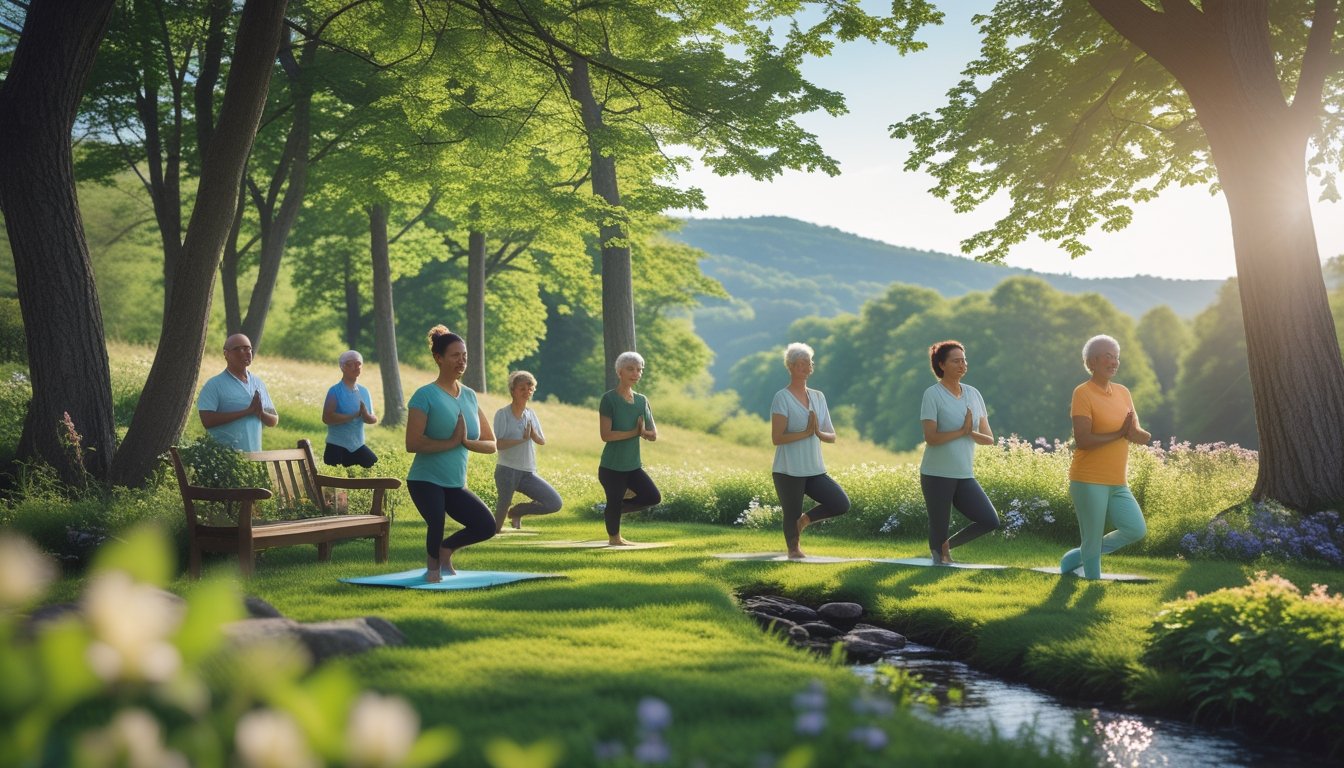
Environmental therapy offers a suite of techniques focused on leveraging nature to enhance psychological and physical health. Activities range from tranquil forest immersions to engaging community-focused projects, each designed to foster wellbeing through connection with the environment.
Forest Bathing and Nature Walks
Forest bathing, a practice originating from Japan's Shinrin-yoku, involves immersing ourselves in forest ambiance to harness its calming effects. Unlike traditional walks, this method encourages us to engage all our senses, listening to the rustling leaves or the birdsong overhead. Research indicates that forest bathing can reduce stress, lower cortisol levels, and foster mindfulness.
Nature walks provide similar benefits. By taking leisurely strolls through a park or nature reserve, we can experience a much-needed break from urban life. Such walks offer an opportunity to practice mindfulness, focusing on the present moment and the beauty around us. Often, individuals feel rejuvenated, gaining clarity and reduced anxiety. Engaging in these practices regularly can help us foster a deeper connection with the natural world.
Gardening for Emotional Wellness
Gardening has emerged as a significant tool for emotional wellbeing. The act of nurturing plants from seeds to full bloom mirrors personal growth. It provides us with tangible results and a sense of accomplishment, boosting self-esteem. Many view gardening as a form of meditation, where repetitive tasks like planting or weeding encourage mindfulness.
Community gardens, in particular, enhance this experience by promoting social connections. Working alongside others fosters a sense of community and shared purpose. Such interactions can be especially beneficial for those experiencing isolation or loneliness. Moreover, gardening can be therapeutic for individuals with ADHD, offering a structured yet flexible activity that allows for creativity and focus.
Green Exercise and Outdoor Activities
Green exercise, engaging in physical activity in the presence of nature, merges the benefits of traditional exercise with those gained from natural settings. Activities such as hiking, cycling, or even yoga in the park can significantly boost mood and energy levels. This approach is particularly effective in addressing mental health issues, such as depression and anxiety, providing a natural relief.
Our bodies respond differently when exercising outdoors compared to an indoor environment. The presence of natural elements contributes to increased motivation and enjoyment, often enhancing endurance. Participating in green exercise can also foster social connections, whether through group activities or casual encounters along trails. The benefits extend beyond physical health, influencing our overall sense of wellbeing.
Animal-Assisted and Community-Based Techniques
Animal-assisted therapy introduces animals into therapeutic settings to support emotional and social wellbeing. Interacting with animals has been shown to reduce stress, increase feelings of happiness, and improve motivation. This technique is often used in various contexts, from hospitals to community centres, providing comfort and companionship.
Community-based techniques focus on integrating eco-therapy into collective activities. Projects like community clean-ups and conservation efforts not only foster social bonds but also instil a sense of responsibility towards our environment. Sharing these experiences can amplify personal growth and community cohesion. In essence, both animal-assisted and community-focused approaches underscore the importance of connection—whether it's with animals or fellow humans—in enhancing our quality of life.
Frequently Asked Questions

We aim to clarify common inquiries concerning environmental therapy and its various techniques that support wellbeing. Each topic covers specific aspects of nature-based practices and their implications for mental and physical health.
What are the proven benefits of nature-based therapy for mental health?
Research indicates that nature-based therapy can significantly reduce stress and enhance mental clarity. Activities like forest bathing and mindful walking not only uplift mood but also improve attention and cognitive function.
How can horticultural therapy be integrated into traditional therapeutic practices?
Horticultural therapy can complement existing treatments by providing a hands-on approach to mental health. Integrating activities such as gardening into counselling sessions helps foster a sense of responsibility and achievement, enhancing overall therapeutic outcomes.
In what ways can ecotherapy contribute to the treatment of anxiety and depression?
Ecotherapy promotes engagement with the natural world, which can alleviate symptoms of anxiety and depression. By participating in outdoor activities, individuals often experience reduced anxiety levels, enhanced mood, and increased social interaction.
What are the primary techniques used in wilderness therapy for adolescents?
Wilderness therapy involves immersive outdoor experiences aimed at personal and social development. Techniques such as group camping and survival skills building encourage teamwork and resilience among adolescents, fostering psychological growth.
How does exposure to natural environments positively impact physical wellbeing?
Spending time in natural settings has been linked to numerous physical health benefits. Regular exposure can lower blood pressure, boost the immune system, and encourage more active lifestyles, which together improve overall physical health.
What role does animal-assisted therapy play in improving emotional health?
Animal-assisted therapy involves interactions with animals to enhance emotional wellbeing. These sessions often lead to reduced anxiety, increased empathy, and the development of calming relationships, providing emotional support and therapeutic benefit.