
Late updated: 30 Dec 2025 09:12
Written by: Ella Thompson
Eco-Friendly Solutions For Sustainable Lifestyle Changes: Adopting Green Practices
Embracing eco-friendly solutions is not only necessary for the preservation of our planet but also an enriching endeavour that transforms our lifestyle. Many might believe sustainability requires big sacrifices, but small changes can have a profound impact. By integrating renewable energy, minimising waste, and supporting local businesses, we empower ourselves to create a more sustainable future that benefits us all.

Incorporating sustainable practices into our daily routines can be both practical and fulfilling. From choosing eco-friendly products to making simple energy-saving changes, these adjustments can pave the way for a healthier environment. Sustainable living is accessible to everyone, regardless of budget or living situation, offering both environmental and personal benefits.
Our quest for sustainability is about enhancing our connection with the Earth through thoughtful choices. We can adopt habits that not only minimize our carbon footprint but also enrich our lives. Embracing sustainable solutions offers new perspectives and opportunities to contribute positively to our world.
Key Takeaways
- Small eco-friendly changes lead to significant environmental benefits.
- Sustainability enhances both personal well-being and environmental health.
- Practical steps can make sustainable living accessible to everyone.
Core Eco-Friendly Solutions for Sustainable Lifestyle Changes
In our pursuit of a sustainable lifestyle, three fundamental strategies stand out. By reducing our dependency on single-use plastics, making informed food choices, and conserving energy and water at home, we can significantly lessen our ecological footprint and promote an eco-friendly lifestyle.
Reducing Single-Use Plastics and Embracing Reusable Alternatives
Reducing single-use plastics is central to living sustainably. Our planet faces mounting pollution due to these disposable items. By switching to reusable alternatives, we make a meaningful impact. Simple swaps, like opting for a reusable water bottle instead of plastic, or using cloth shopping bags in place of single-use options, are effective and straightforward.
Moreover, embracing reusable containers for food storage, bamboo utensils for dining, and glass containers for everyday use further minimises waste. These items not only reduce plastic waste but often provide a more durable and healthier alternative. It's also advisable to buy in bulk, reducing packaging waste, and thereby supporting our eco-friendly home goals.
Optimising Sustainable Food Choices
Our food choices are a powerful tool for sustainability. Opting for local produce reduces the carbon footprint associated with transportation. In addition, seasonal produce not only supports local farmers but typically requires fewer resources to grow. Implementing a plant-based diet doesn't mean eliminating meat entirely; concepts such as Meatless Mondays encourage gradual, impactful change.
Supporting community-supported agriculture (CSA) programmes helps us engage directly with local food producers, promoting sustainability and reducing food miles. Reducing waste by planning meals wisely and composting the organic scraps in a compost bin can further enhance our eco-friendly lifestyle.
Green Home Energy and Water Conservation Practices
In the cornerstones of eco-friendly home living, energy efficiency and water conservation play critical roles. The use of energy-efficient appliances, such as those with an Energy Star rating, reduces energy consumption. Installing LED bulbs offers a simple yet effective way to cut electricity use. Ensuring our homes have proper insulation and weatherstripping can significantly enhance energy efficiency.
Water conservation is equally vital. Integrating low-flow fixtures reduces water usage without sacrificing performance. Rainwater harvesting using a rain barrel is a smart way to collect water for garden use, reducing reliance on mains water. These techniques collectively help us minimise water waste and promote a sustainable lifestyle.
Advanced Strategies for Shaping a Sustainable Future
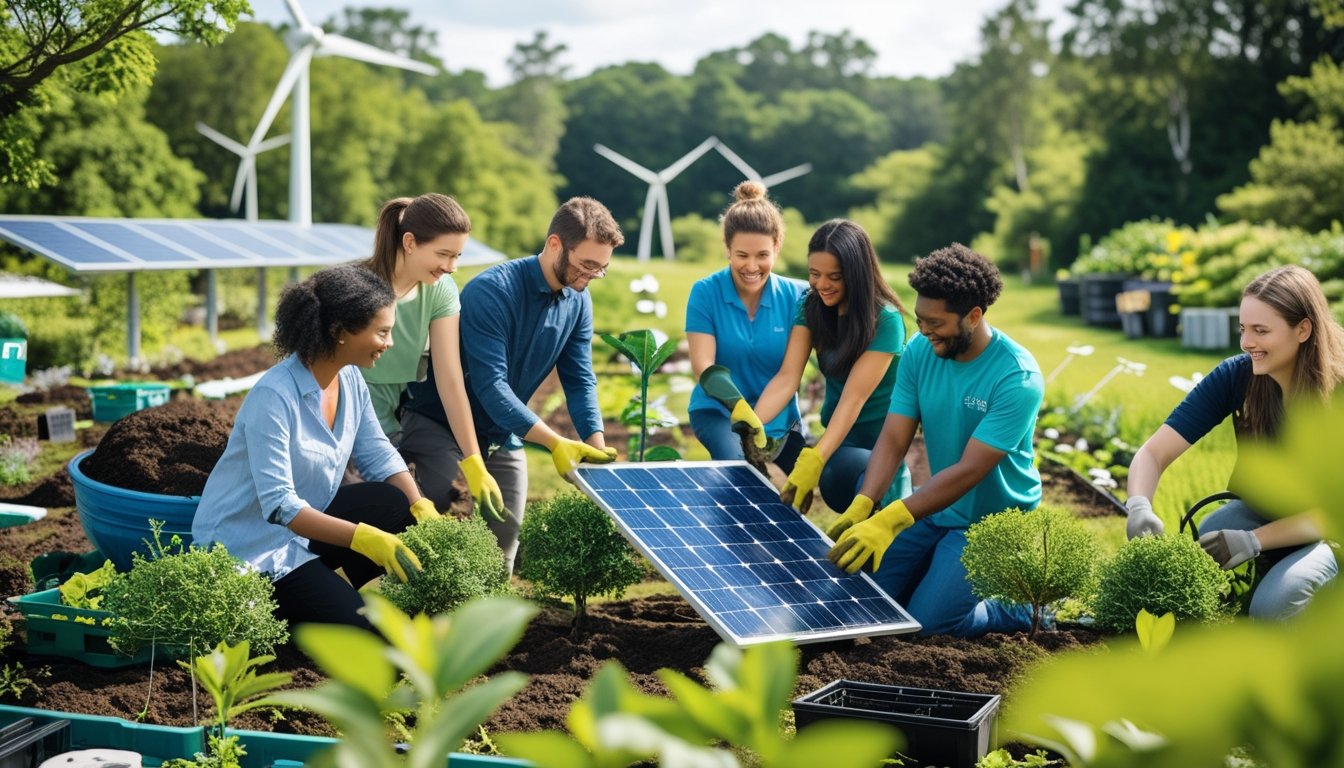
In striving for a sustainable future, several strategies can greatly reduce environmental impact. Adopt conscious consumption, invest in sustainable transport, and embrace eco-friendly fashion to support the planet.
Conscious Consumption and Mindful Shopping
Conscious consumption urges us to carefully consider what we buy, prioritising sustainable and ethical brands. Supporting local farmers and choosing organic produce not only safeguards our health but reduces carbon footprints. Implementing a zero-waste lifestyle by opting for products with minimal packaging or acquiring eco-friendly cleaning supplies supports waste management efforts. Upcycling and purchasing goods made from recycled materials ensure resources are reused wisely. Emphasising quality over quantity helps in making long-lasting product choices that contribute to a reduced environmental impact. Options such as thrift shopping and clothing swaps provide ways to acquire items sustainably while encouraging a culture of reuse.
Sustainable Transportation and Travel Choices
Transportation significantly impacts our environment, but choosing sustainable options can lessen this effect. Walking, using public transport, or carpooling reduces emissions and traffic congestion. Investing in hybrid or electric vehicles further cuts down on fossil fuel reliance. Innovations in green energy, like solar panels, contribute to an efficient energy approach for personal and public transport systems. By incorporating methods to reduce energy consumption, such as smart thermostats in our vehicles or homes, we increase overall energy efficiency. By adopting these changes, we contribute to a cleaner, more sustainable future.
Sustainable Fashion and Lifestyle Innovations
The fashion industry presents numerous opportunities for adopting sustainable practices. Choosing clothes made from sustainable fabrics like organic cotton and supporting ethical brands practising cruelty-free manufacturing are key steps. Thrift stores and second-hand clothing purchases promote a cyclical fashion economy, reducing waste. Clothing swaps further enhance this model by allowing exchange without production pressure. Embracing clothes crafted from recycled materials not only conserves resources but cuts down on landfill contributions. Through awareness and action in adopting sustainable fashion, we can greatly influence global sustainability efforts.
By integrating these principles into our lifestyles, we contribute significantly to shaping a sustainable future.
Frequently Asked Questions
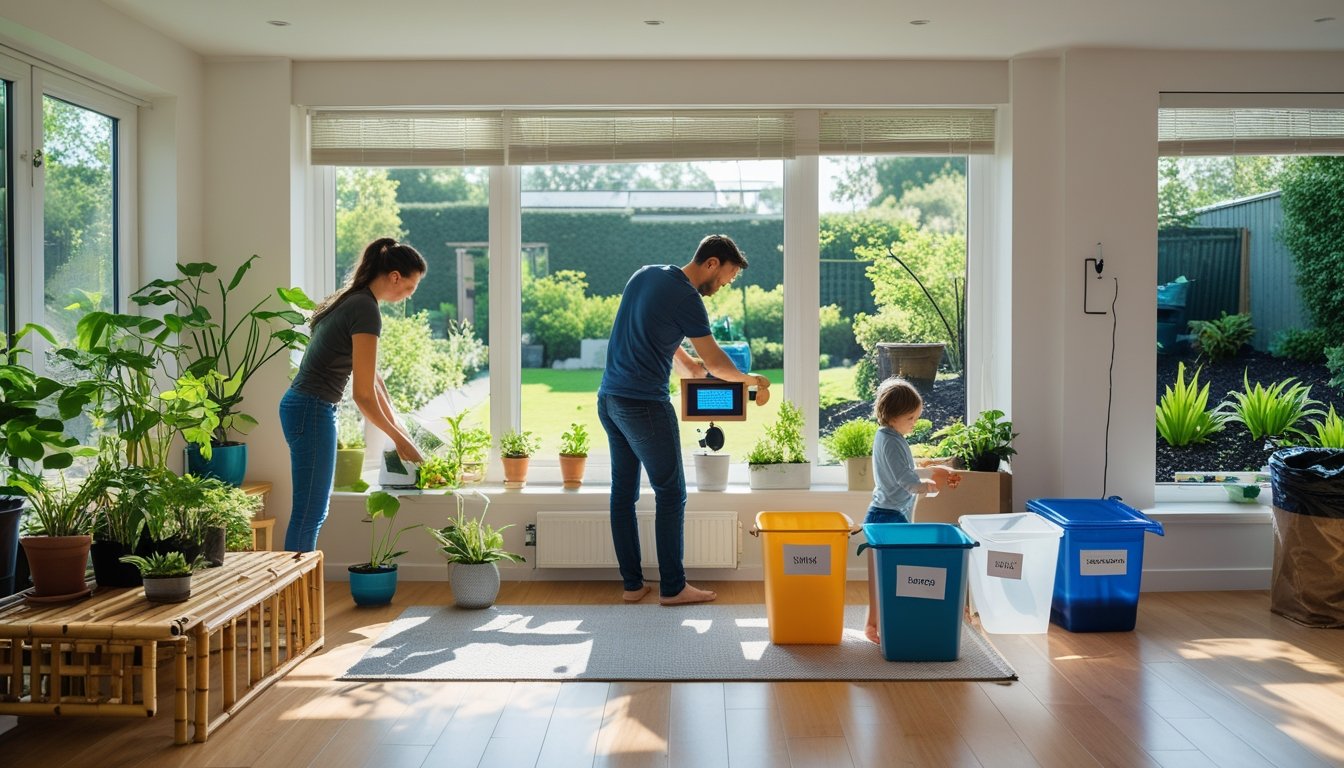
In adopting eco-friendly solutions, there are practical ways to reduce our carbon footprint, minimise waste, and conserve water. Exploring alternative energy sources, making impactful dietary changes, and opting for eco-friendly transport are significant steps towards sustainability.
What are some practical ways to reduce one's carbon footprint?
Reducing our carbon footprint can start with simple changes in our daily habits. Opting for public transport or cycling reduces car emissions. Using energy-efficient appliances and switching off electronics when not in use also make a difference. Additionally, supporting renewable energy sources helps cut down on fossil fuel dependence.
How can one effectively minimise waste in daily life?
To minimise waste, we can begin by embracing a minimalist mindset and buying only what we need. Reusing and recycling materials, choosing products with minimal packaging, and composting food scraps are effective strategies. Bringing reusable bags, bottles, and containers during shopping and outings further reduces waste.
What strategies can be adopted for conserving water at home?
Conserving water involves checking for and fixing leaks promptly. We can use water-efficient fixtures and appliances, and adopt mindful habits such as turning off the tap while brushing teeth. Collecting rainwater for garden use and using mulch to retain soil moisture are additional methods to save water.
Can you suggest alternative energy sources that are feasible for home use?
Solar panels are a popular choice for homeowners looking to utilise renewable energy. They can significantly reduce electricity bills over time. Other feasible alternatives include wind turbines for those in windy areas and geothermal systems that provide efficient heating and cooling.
What are the most impactful dietary changes one can make to promote sustainability?
Switching to a plant-based diet can dramatically lower our environmental impact. Reducing meat and dairy intake reduces water usage and greenhouse gas emissions. Additionally, choosing local and seasonal produce decreases food transportation costs and supports the local economy.
How does switching to eco-friendly transportation contribute to environmental conservation?
Transitioning to eco-friendly transport options, such as electric vehicles or public transportation, reduces our reliance on fossil fuels. This shift lowers air pollution and greenhouse gas emissions. Walking or cycling not only benefits the environment but also improves our health and well-being.