
Late updated: 25 Nov 2025 14:11
Written by: Ella Thompson
Exploring Eco-Therapy in Sustainable Addiction Recovery: A New Holistic Approach
Exploring eco-therapy in sustainable addiction recovery is an emerging trend that offers a refreshing alternative to traditional approaches. Eco-therapy, or nature-based therapy, helps individuals reconnect with the environment while fostering emotional resilience and promoting sustainable healing practices. By integrating eco-friendly mechanisms into recovery, we enhance the overall rehabilitative outcomes and contribute to environmental integrity.
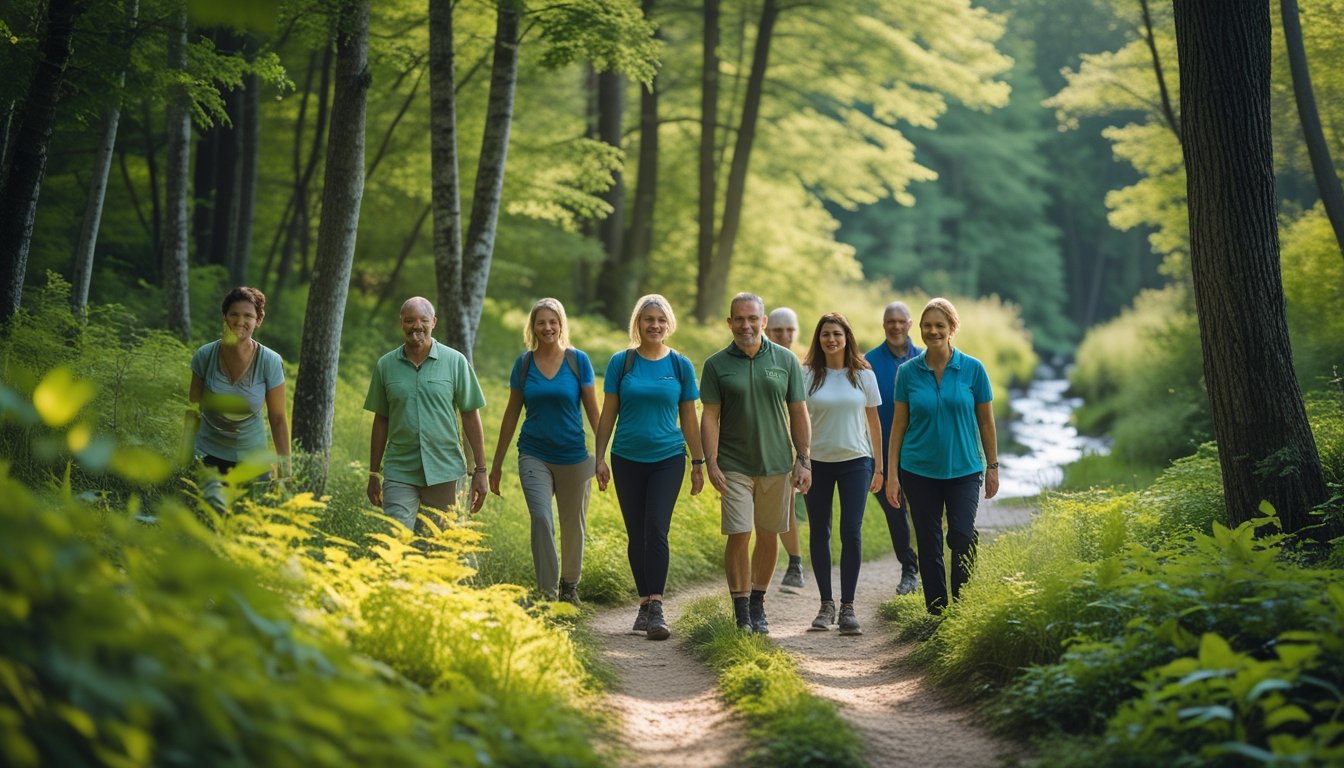
Nature-based interventions, such as horticultural therapies and wilderness excursions, play a crucial role not only in treating addiction but also in prevention. These activities encourage a mindset shift, building emotional strength and breaking negative thought patterns associated with substance use. Connecting with nature provides a unique opportunity to find balance and peace, which can be pivotal in one's recovery journey.
Sustainability and addiction recovery can indeed go hand in hand. By embracing eco-friendly living and incorporating nature-based practices, we open new avenues for holistic healing journeys. These methods foster personal well-being and establish a deeper connection with the environment, offering benefits that extend beyond personal recovery.
Key Takeaways
- Eco-therapy enhances addiction recovery through nature-based healing.
- Nature-based interventions aid in prevention and emotional resilience.
- Sustainable practices support holistic healing and environmental health.
Eco-Therapy’s Role in Sustainable Addiction Recovery

Eco-therapy offers a unique approach to addiction recovery, focusing on the healing power of nature. This method integrates elements of the natural world to support individuals on their recovery journey, highlighting the importance of mental well-being and holistic healing. In this way, eco-therapy can be a transformative part of sustainable addiction recovery.
Defining Eco-Therapy and Nature-Based Therapies
Eco-therapy, also known as nature therapy or green therapy, involves the use of natural settings to foster mental health and support addiction recovery. It includes activities like gardening, nature walks, and wilderness excursions. These therapies provide a foundation for experiencing the restorative effects of connecting with the natural environment. By immersing ourselves in such activities, we re-establish a relationship with nature, which can be deeply grounding and healing. Nature-based therapies also complement traditional addiction treatment methods, offering a pathway to achieving and maintaining sobriety.
Psychological and Physical Benefits of Nature Therapy
Nature therapy offers numerous benefits, enhancing both psychological and physical well-being. Immersion in natural environments can reduce stress, decrease symptoms of anxiety and depression, and promote relaxation. These effects are partly due to the release of endorphins, which act as natural mood lifters. Moreover, participating in outdoor activities encourages physical movement, boosting cardiovascular health and resilience. As we engage with nature, we often find ourselves more present and mindful, contributing positively to our recovery process and mental health.
Holistic Healing and Mindfulness in Recovery
A holistic approach to addiction recovery considers the mind, body, and spirit. Eco-therapy supports this by fostering mindfulness and encouraging participants to focus on the present moment. Mindfulness practices, often integrated with nature-based therapies, help reduce cravings and improve emotional regulation. Techniques such as meditation and grounding exercises can be enhanced by natural settings, providing a unique atmosphere that promotes inner peace and reflection. By embracing holistic healing, we aim to create a strong foundation for long-term recovery.
Personalisation and the Recovery Journey
An important aspect of eco-therapy is its adaptability to individual needs and preferences. Personalised nature-based therapies allow us to tailor activities to suit our specific recovery journey. Whether engaging in solitary hikes or participating in group gardening sessions, these activities can be adjusted to fit personal goals and comfort levels. By incorporating personal interests, we increase the likelihood of sustained engagement in recovery activities. Thus, eco-therapy not only addresses the unique needs of individuals but also supports the broad spectrum of experiences within addiction recovery.
Implementing Eco-Friendly Practices and Nature-Based Activities
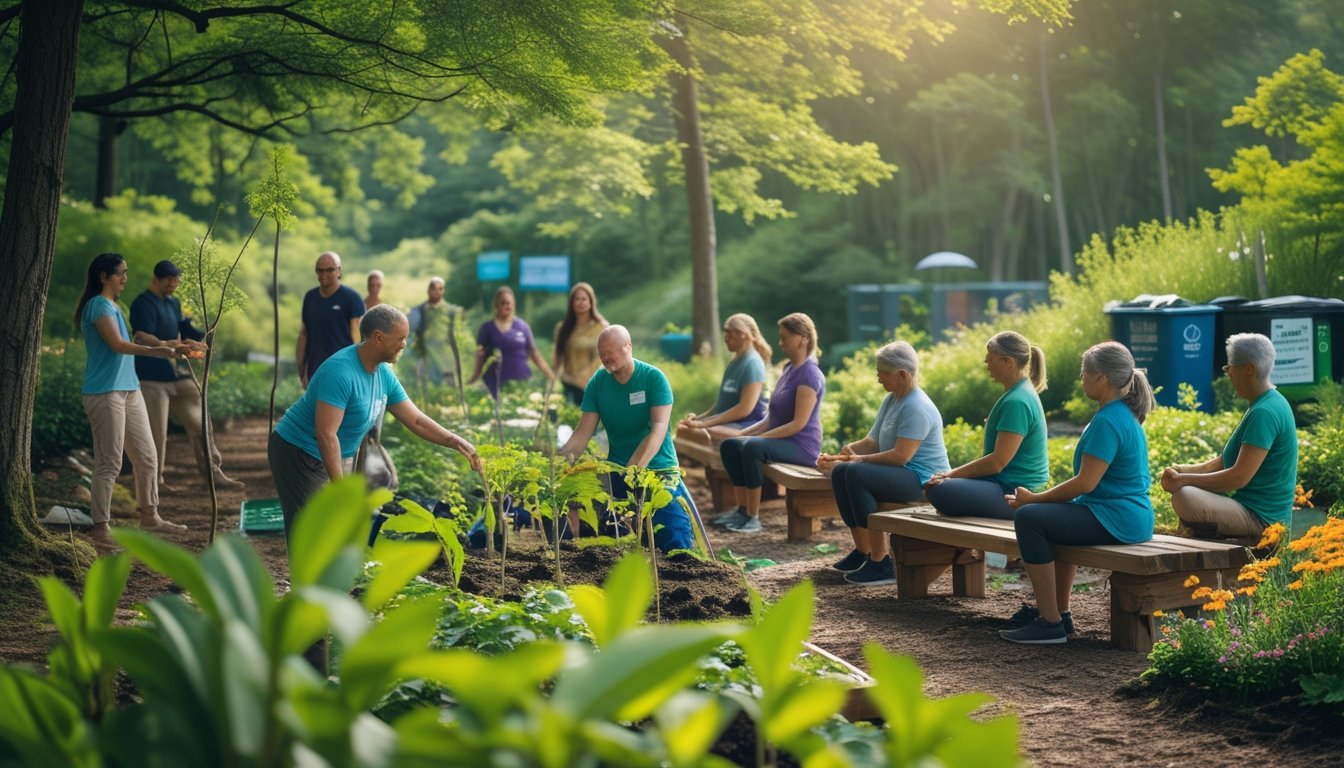
Eco-therapy in addiction recovery is enhanced by integrating eco-friendly practices and engaging in nature-based activities. By participating in these practices, individuals can not only improve their mental well-being but also contribute positively to the environment.
Gardening and Community Gardening in Recovery
Gardening serves as a therapeutic activity that offers numerous benefits to those in recovery. Through the act of planting and nurturing, individuals reconnect with nature in a meaningful way. The physical activity involved helps reduce stress and promote mindfulness. Moreover, gardening provides a productive outlet, encouraging responsibility and consistency.
Community gardening, in particular, adds a layer of social connection. Participants work collectively, fostering a sense of belonging and shared purpose. This sense of community is crucial for personal growth and recovery, as it encourages collaboration and mutual support. Together, we can cultivate both gardens and healing paths, contributing to sustainability in our local ecosystems.
Forest Bathing, Nature Walks, and Hiking
Forest bathing, or "shinrin-yoku", involves immersing oneself in a natural forest environment, allowing the senses to fully engage with the surroundings. This practice aids relaxation and enhances mental clarity. Nature walks and hiking extend this experience by encouraging exploration and physical activity.
Access to green spaces, such as parks and nature reserves, supports recovery by providing a serene and restorative environment. These activities offer sensory experiences that refresh the mind, providing a break from urban stressors. They also instil a sense of wonder, prompting appreciation for the natural world and reinforcing the connection between personal health and the environment.
Eco-Friendly Living and Conservation Efforts
Adopting eco-friendly living practices is integral to sustainable recovery. Simple changes such as reducing waste, recycling, and conserving energy foster a sustainable lifestyle. These practices instil a sense of responsibility towards the environment, encouraging individuals in recovery to consider the impact of their actions.
Participating in conservation efforts, like tree planting or habitat restoration projects, can offer a sense of purpose. Through these activities, individuals contribute to environmental preservation, reflecting positive change in their lives and the world. Engaging in these efforts as part of recovery programmes underscores the importance of sustainability and highlights how personal growth can lead to broader societal benefits.
Building Responsibility, Purpose, and Social Connection
Nature-based activities in recovery extend beyond individual healing; they foster responsibility, purpose, and social connection. Through shared experiences, participants develop relationships that support their journey. Engaging in community-oriented projects, such as organising eco-events or volunteering for environmental causes, not only builds social networks but also instils a sense of accomplishment and contribution.
Being part of recovery initiatives that emphasise sustainability teaches us how responsibility extends beyond personal wellness. It involves active participation in protecting and nurturing the natural world. Cultivating these values creates a supportive environment where individuals can thrive, developing skills and mindsets essential for long-term recovery and personal development.
Frequently Asked Questions
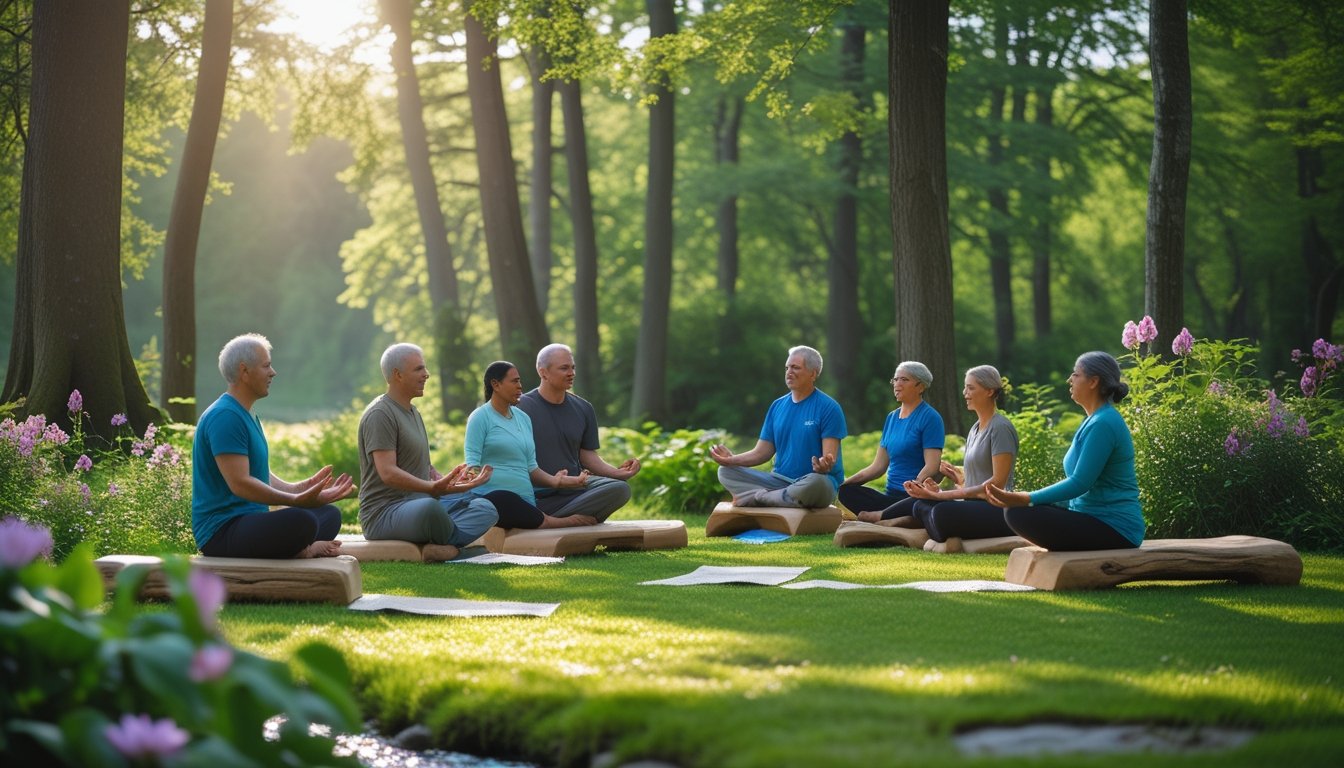
Eco-therapy plays a transformative role in sustainable addiction recovery by integrating nature-based practices into traditional treatment methods. This section addresses key questions frequently asked by those interested in understanding the benefits and principles of eco-therapy in addiction recovery.
How does eco-therapy enhance the process of sustainable addiction recovery?
Eco-therapy enriches addiction recovery by encouraging patients to engage with natural environments. Activities like gardening, hiking, and nature walks help reduce stress and anxiety, boosting overall mood and mental well-being. These therapeutic benefits foster long-lasting recovery by providing individuals with constructive tools to cope with addiction challenges.
What are the core principles of eco-therapy in treating substance abuse?
The primary principles of eco-therapy revolve around fostering a deep connection with nature. It involves understanding the intrinsic role of environmental factors on mental health, promoting mindful awareness, and encouraging sustainable and holistic lifestyle changes. These principles aim to create a balanced approach to recovery that prioritises both personal and environmental health.
In what ways does exposure to nature impact mental health during addiction recovery?
Exposure to nature has been proven to lower stress levels, decrease symptoms of depression, and improve overall mood. Nature-based activities offer a calming effect and provide a sense of grounding and perspective. This connection can break negative thought patterns associated with addiction, aiding emotional regulation and mental resilience.
Can eco-therapy be integrated with more traditional forms of addiction treatment?
Absolutely, eco-therapy can complement traditional approaches like cognitive-behavioural therapy or pharmacotherapy. By combining these methods, individuals benefit from a holistic treatment plan that addresses both physiological and psychological aspects of addiction. Integration often enhances therapeutic outcomes, providing a well-rounded recovery process.
What evidence supports the effectiveness of eco-therapy for long-term recovery from addiction?
Numerous studies support the efficacy of eco-therapy in promoting long-term recovery. Research shows that individuals participating in nature-based therapies report significant improvements in emotional resilience and a lower likelihood of relapse. These findings underscore the importance of incorporating natural elements into recovery frameworks.
How can individuals practising eco-therapy maintain their connection with nature in urban environments?
Urban dwellers can maintain their connection with nature through several creative strategies. They can engage in community gardening, utilise green spaces like parks, or even incorporate nature-themed practices at home through activities such as indoor planting or using virtual reality experiences to simulate natural environments. These options ensure that eco-therapy remains accessible despite geographical limitations.