
Late updated: 14 Dec 2025 11:12
Written by: Ella Thompson
Creating Mindful Spaces for Enhanced Wellbeing: Key Design Principles
In today's fast-paced world, carving out a peaceful sanctuary within our living spaces is more crucial than ever. Mindful spaces offer an oasis of calm, encouraging tranquillity and rejuvenation in our daily lives. By integrating design elements that promote mental clarity and emotional balance, we create environments that not only welcome us but nurture our well-being.
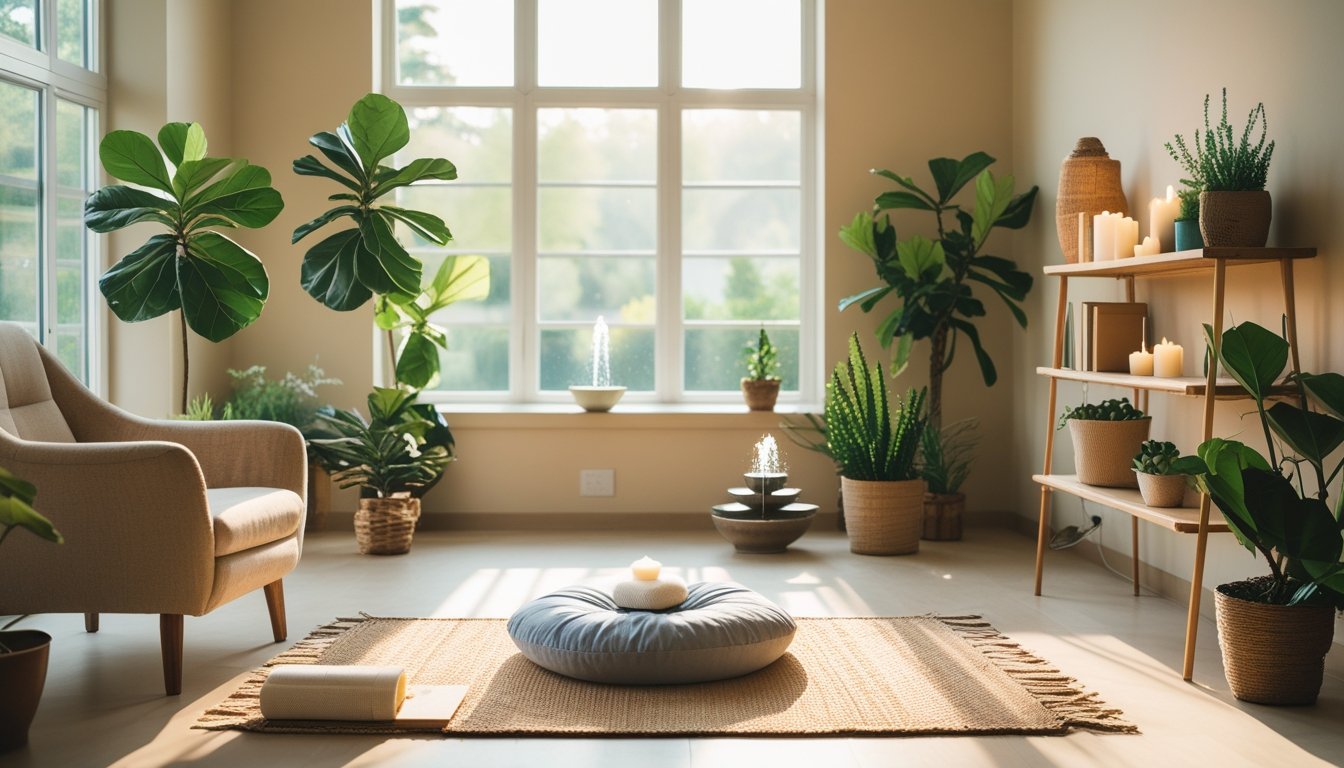
Mindful spaces transcend mere aesthetics; they represent an intentional choice to craft environments that enhance our quality of life. Natural light, biophilic elements, and functional designs work in harmony to lower stress levels and boost our mental health. These thoughtful design choices transform our homes and workplaces into supportive havens that encourage balance and mindfulness.
Ultimately, creating a mindful space involves a deliberate arrangement that caters to both the physical comfort and emotional needs of its inhabitants. Through careful consideration of layout and sensory elements, we bring equilibrium into our everyday environments. When we design with mindfulness, we lay the foundation for improved mental health and a more serene lifestyle.
Key Takeaways
- Mindful spaces nurture mental clarity and emotional balance.
- Integrating natural light and biophilic elements is essential.
- Thoughtful design supports well-being and reduces stress.
Principles Of Mindful Space Design
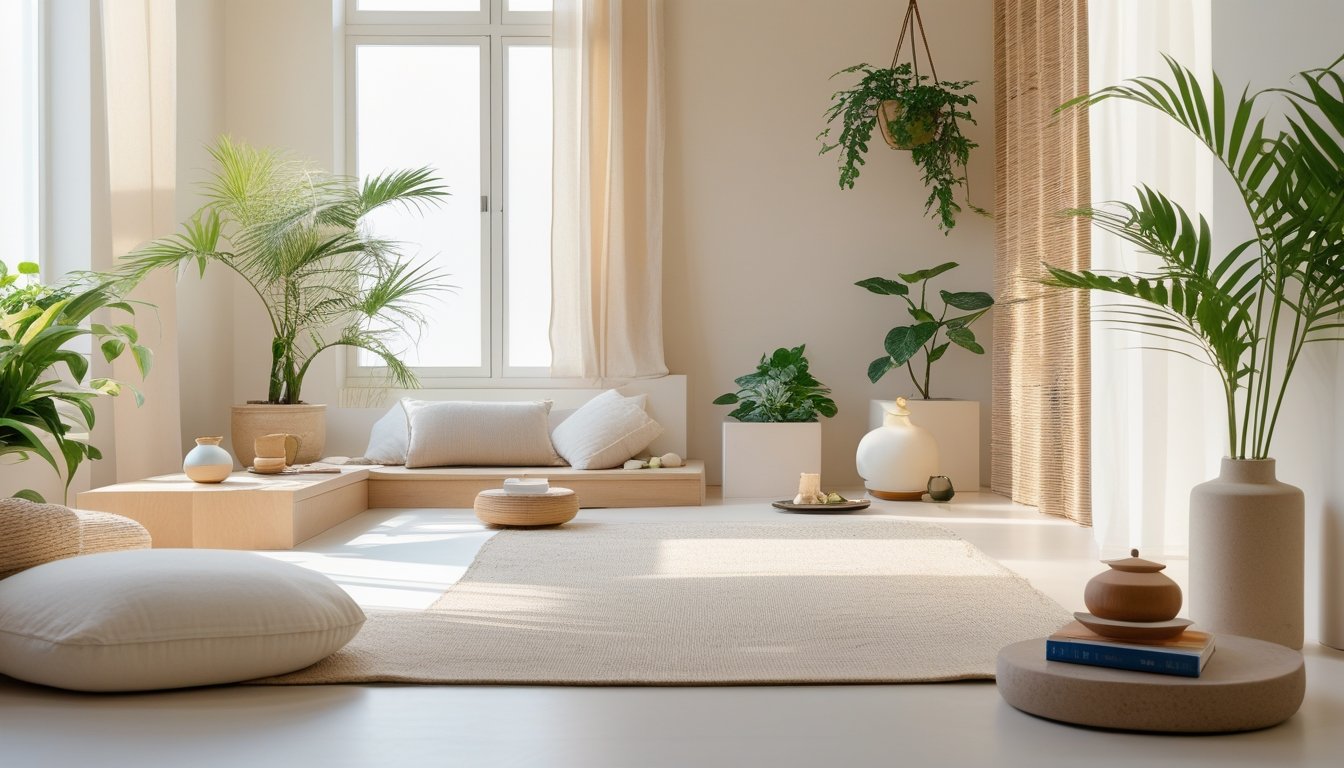
In reimagining our living environments, it's important to understand how mindfulness can transform spaces into sanctuaries for mental well-being. By prioritising deliberate design choices, we can create spaces that not only enhance our emotional balance but also support a mindful lifestyle.
The Role Of Mindfulness In Enhancing Wellbeing
Mindfulness encourages us to be present, focusing on the moment rather than being overwhelmed by life's distractions. When designing our spaces, incorporating elements that cultivate this practice can significantly boost mental health and overall well-being. Incorporating natural light, soothing colours, and calm-inducing textures work to foster awareness and reduce stress.
Clutter-free zones are crucial, as they help maintain focus and clarity of thought. By promoting an environment where mindfulness thrives, we ultimately support not just life satisfaction but a deeper connection with ourselves and our surroundings.
Intentional Design Choices And Their Impact
Intentional design is about making conscious decisions that influence our well-being positively. Spaces created with purpose incorporate personalised touches that resonate with us personally, nurturing our emotional and psychological needs.
Utilising natural elements, such as plants and outdoor views, offers benefits by connecting us to nature and enhancing relaxation. Thoughtful lighting plays a role too, as a carefully planned blend of artificial and natural light can uplift our mood and productivity. By creating a balance between function and comfort, our spaces transform into supportive havens for our mindfulness journey.
Emotional And Psychological Benefits Of Mindful Living
Mindful living through intentional design choices can have profound psychological benefits. Living in spaces crafted with thoughtfulness fosters emotional well-being by reducing stress and promoting serenity. The connection between our environment and our feelings becomes evident when we experience how certain layouts or textures enhance comfort and relaxation.
These environments nurture our mental well-being, enabling us to respond to daily challenges with greater ease. Additionally, such spaces enhance life satisfaction by encouraging a sense of peace and harmony, allowing us to focus on what truly matters. Embracing mindful living in our designs can significantly impact our psychological health, offering a pathway to sustained wellness.
Key Elements For Creating Mindful Spaces
Creating mindful spaces involves a thoughtful approach to design, incorporating elements like natural light, greenery, and soothing colours to promote well-being.
Incorporating Natural Light And Ventilation
Natural light plays a critical role in enhancing both mood and productivity within a space. Large windows, skylights, and light-filtering curtains allow sunlight to illuminate interiors, creating bright and welcoming environments. Natural light helps regulate circadian rhythms, which is essential for maintaining energy levels and ensuring restful sleep. Ventilation ensures fresh air circulates, improving overall indoor air quality and supporting respiratory health. Good ventilation systems, such as opening windows and using air vents, can prevent stuffiness and promote a sense of openness and vitality.
Biophilic Design And Natural Materials
Biophilic design seeks to reconnect us with nature through the integration of elements such as plants, wood, and stone. Incorporating indoor plants not only adds aesthetic appeal but also improves air quality by filtering toxins and releasing oxygen. Natural materials like wood and stone provide textures that are not only visually appealing but also calming to the touch, enhancing a space's tranquil atmosphere. These elements make interiors feel like an outdoor retreat, offering a refreshing break from the artificiality of modern urban spaces.
Decluttering And Organisational Strategies
A clutter-free environment encourages mental clarity and focus while reducing stress. Implementing effective organisational strategies transforms chaotic areas into orderly and inviting spaces. Utilising storage solutions, such as shelves and bins, helps keep items hidden yet accessible, maintaining visual interest without overwhelming the senses. Decluttering is not only about tidying up but also about creating a harmonious environment where every item has a purpose and place. Decluttered spaces foster tranquillity, making them conducive to relaxation and concentration.
Mindful Colour Palettes And Sensory Elements
Using mindful colour palettes can significantly affect how we feel within a space. Calming and soothing colours like soft blues, greens, and neutrals create a serene atmosphere conducive to relaxation and rejuvenation. Colour psychology reveals that certain hues can influence mood and behaviour, making colour choices a vital part of mindful design. In addition to colours, incorporating sensory elements like natural textures and essential oils can enhance the overall sensory experience. These sensory elements combine to create an environment that nurtures both the mind and body, facilitating a sense of well-being and peace.
Frequently Asked Questions
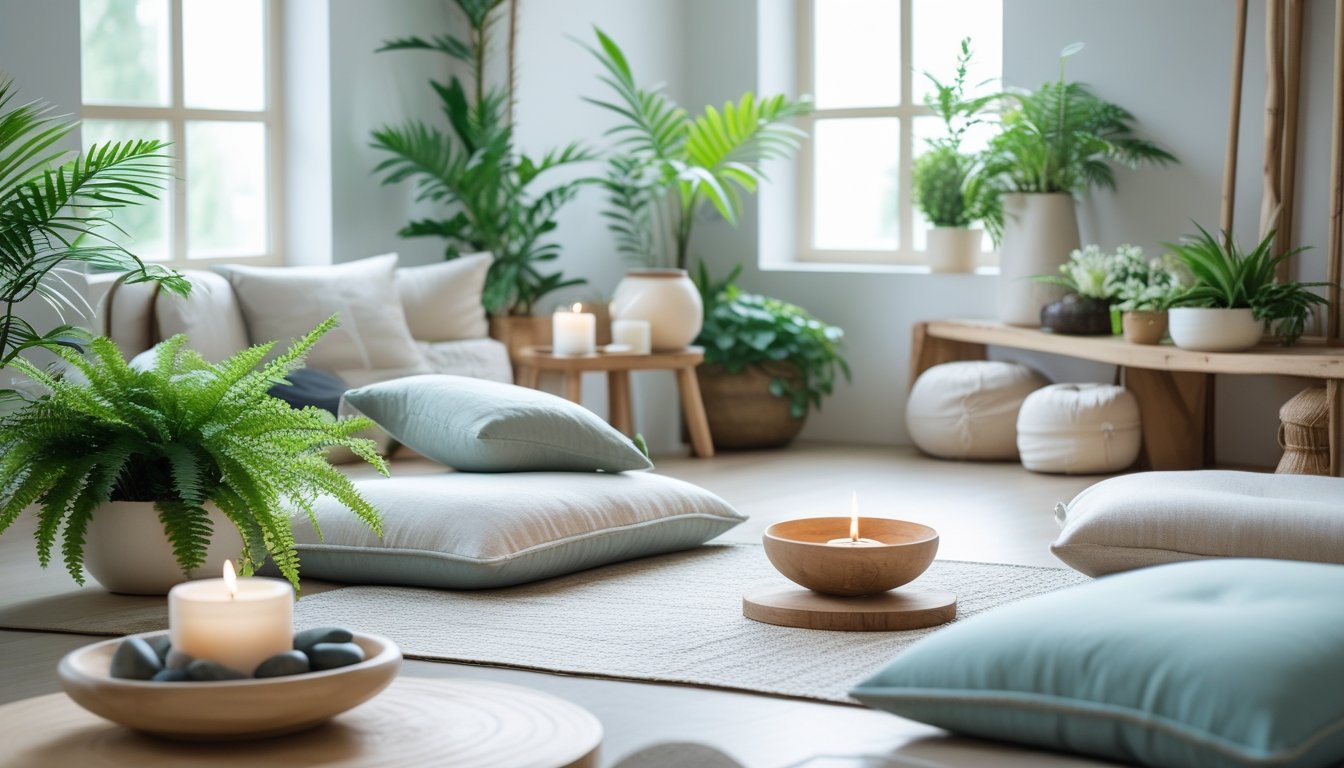
Creating mindful spaces plays a crucial role in enhancing wellbeing by integrating elements like natural light, colour psychology, and biophilic design. These components foster calmness and mindfulness while enhancing mental and physical health.
What are the essential elements of a mindful space designed for wellbeing?
Key elements of a mindful space include natural light, comfort, and calming colours. Personalisation with tranquil touches can contribute significantly to fostering relaxation. Additionally, elements like quietness and safety enhance the tranquillity of the environment.
How can colour psychology influence the atmosphere of a room for improved mindfulness?
Colour psychology affects our moods and emotions. Soft, neutral tones often create a calming atmosphere. In contrast, vibrant colours can energise or potentially overwhelm, depending on their application. Carefully chosen hues can help evoke peace and promote a mindful mood.
What role does natural light play in creating a space conducive to wellbeing?
Natural light is vital in promoting a positive mental state. It helps regulate our circadian rhythms, improving sleep and mood. Spaces with ample sunlight can reduce feelings of depression and enhance overall vitality.
Could you suggest ways to incorporate biophilic design into a home for better mental health?
Biophilic design integrates natural elements such as plants, water features, and natural textures. Incorporating greenery can improve air quality and boost mental clarity. Nature-inspired materials and images create a sensory connection with the outdoors, leading to a more serene living space.
What techniques can help maintain a balance between functionality and tranquillity in a workspace?
In a workspace, balancing tranquillity with functionality is essential. This can be achieved through strategic furniture placement, maintaining uncluttered surfaces, and using noise-reducing elements. Incorporating plants and calming colours ensures a productive yet peaceful atmosphere.
How does the layout of a room impact one’s ability to practise mindfulness and relaxation?
A well-designed layout promotes flow and openness, reducing clutter and distractions. Thoughtful arrangement of furniture allows for ease of movement and comfort. This arrangement supports mindfulness practices by encouraging a calm and focused environment.